Socio-cultural background
& Discourse
6.
We are now finally and surely in society with our poster! How does society shape it and how does the poster “actively” take part in society?
6.1 For what purpose was this designed?
The poster was designed to promote a queer theatre/musical at 'Ballhaus Ost'. So it advertises both: The event as well as the event venue. It was only seen two weeks before the actual date of the event and one month after (then my original poster was taped over by a concert advertisement 😢).
To further illustrate this process, I made a diagram:
TAPED --2 weeks--> EVENT ----1 month----> OVERTAPED
6.2 Who designed this for whom?
This poster may have been commissioned by either the venue or the theatre collective responsible for the event, though there is still some uncertainty around this. Despite reaching out to them on Instagram, I was unable to get a clear answer.
The event itself was only held four times in October 2022.
As for the target audience of the poster, it appears to primarily focus on young adults and adults who are interested in culture and the arts, as well as members or supporters of the LGBTQIA+ community. While it does seem to appeal to individuals of all genders, I get the sense that it may be targeted more towards those who identify as female or non-binary, given the subject matter of the play. Additionally, since the play is performed in English, it may also appeal to people who have recently moved to Berlin.
6.3 What technique was used?
The poster was created using desktop publishing software. The main actress featured on the poster was likely photographed in a professional setting, such as a studio or on stage. However, I suspect that the scene depicted on the poster was staged only for promotional purposes (and this poster), rather than being an actual scene from the play itself.
The font used on the poster has a handwritten feel to it, but it was likely sourced from the internet as some kind of pre-made bubbly font. I couldn't find the exact same font online though. While it's possible that it was initially created using analog techniques, the doubling of the same letters suggests that it was a digital creation. The use of highlights and shadows in the font also indicates that it was likely designed digitally.
The poster was reproduced using offset printing techniques, which are commonly used (no surprises here). The poster was only published online once or twice, on the social media pages of the venue and the collective, which is sad given its distinctive style and colour that would look great on a desktop. Unfortunately, it didn't receive much attention or circulation on the social media platforms.
6.4 To which style does this refer?
The poster appears to mainly reference the following three styles:
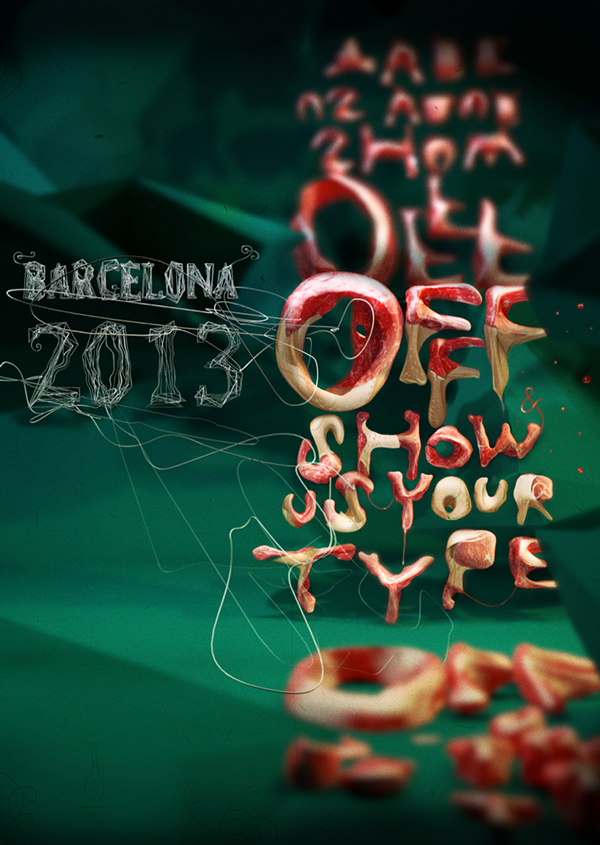
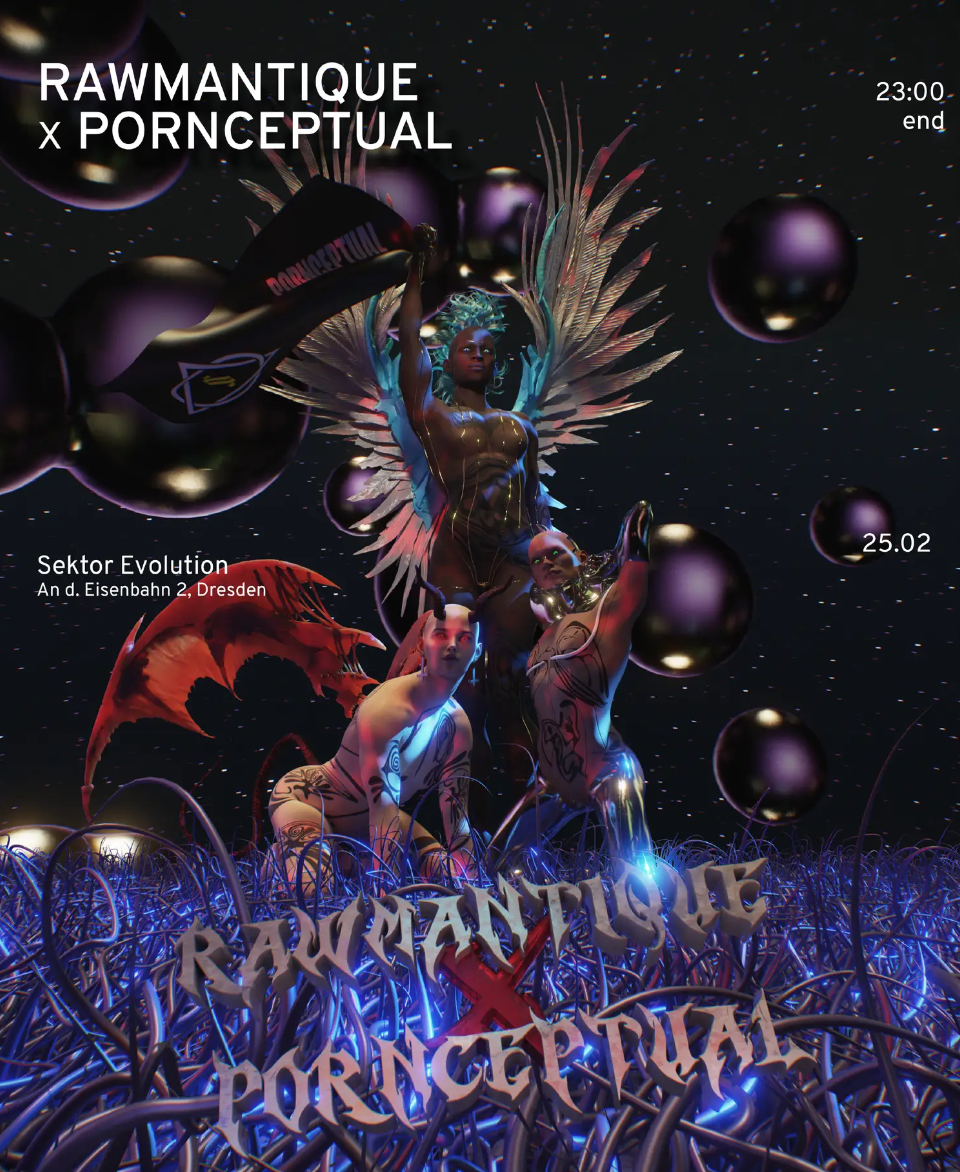
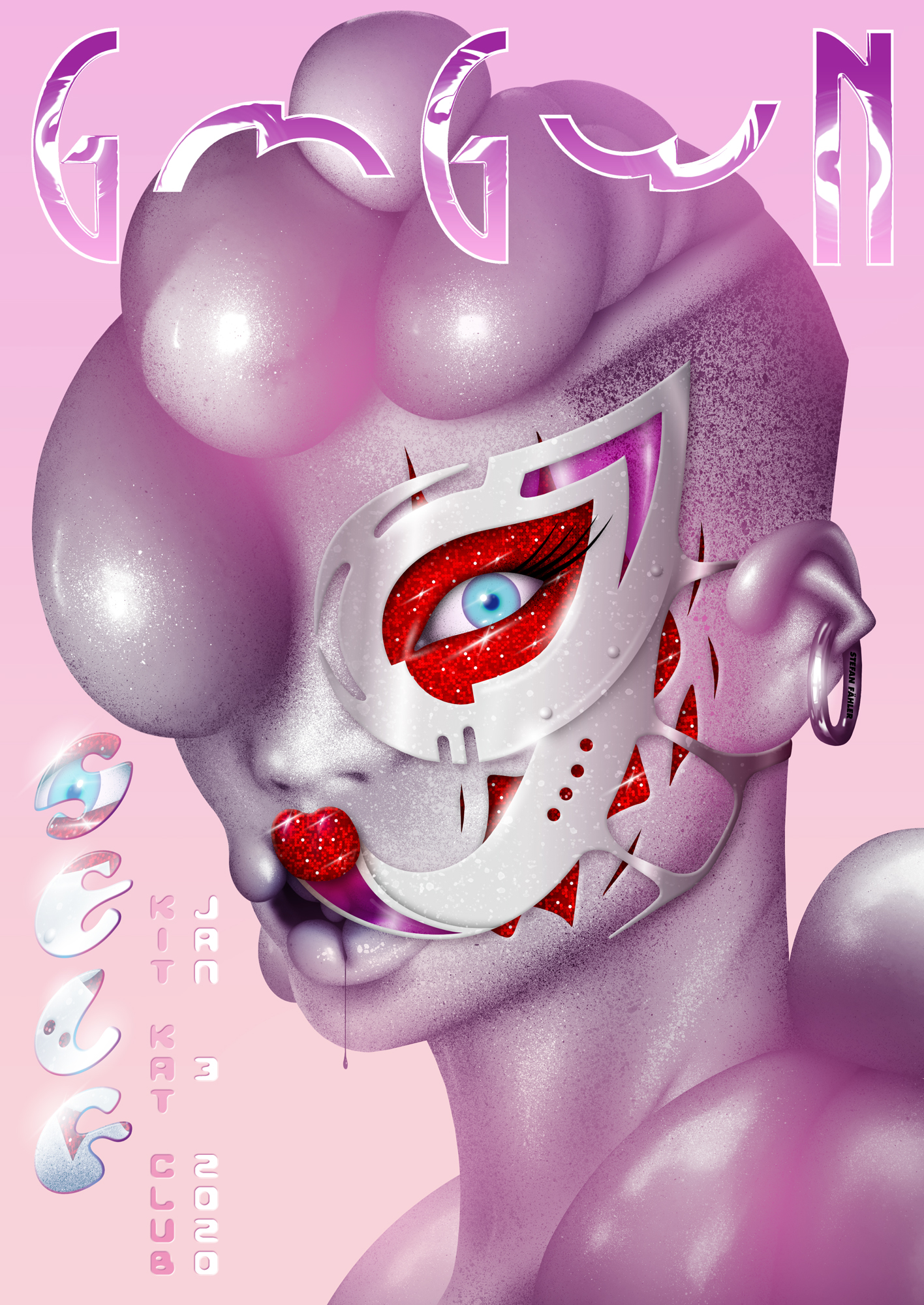
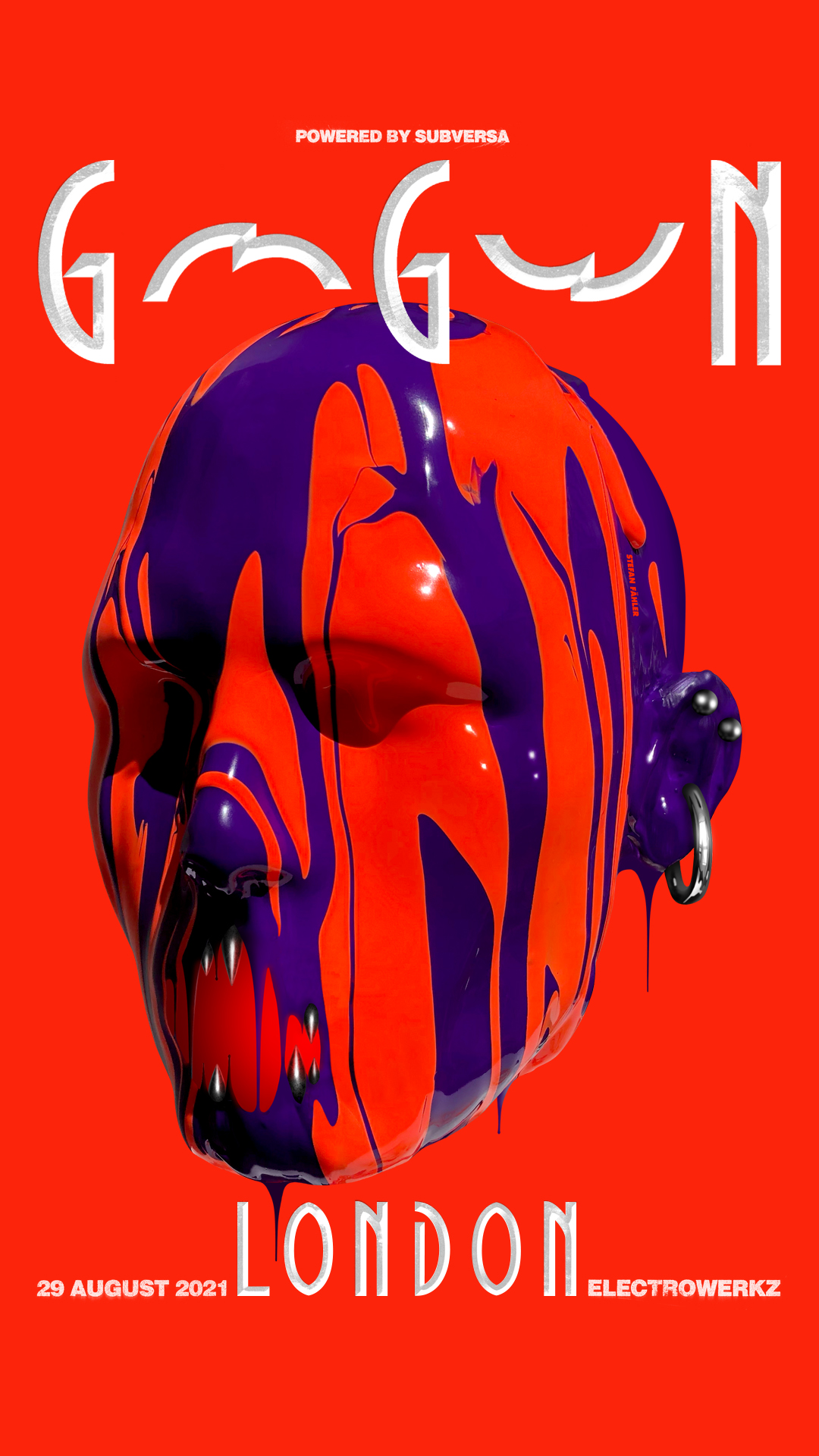
Digital 3D Font Art
The font on the poster looks like something straight out of the digital art world. It's probably made with a program like Cinema 4D, you can tell by the way the light is coming from the top left corner. That's a pretty common thing to do in 3D programs. I think they just wanted to show off their skills since 3D art is really popular right now.
The Digital 3D Font Art style is all about creating typography that often utilizes vibrant colors and abstract shapes (as proven by my poster). This style is commonly seen in advertisements for new apps, technical products, digital/modern art galleries, or – especially in Berlin – (techno) parties. It is also often used for branding, mainly in the entertainment industries (like the music industry).


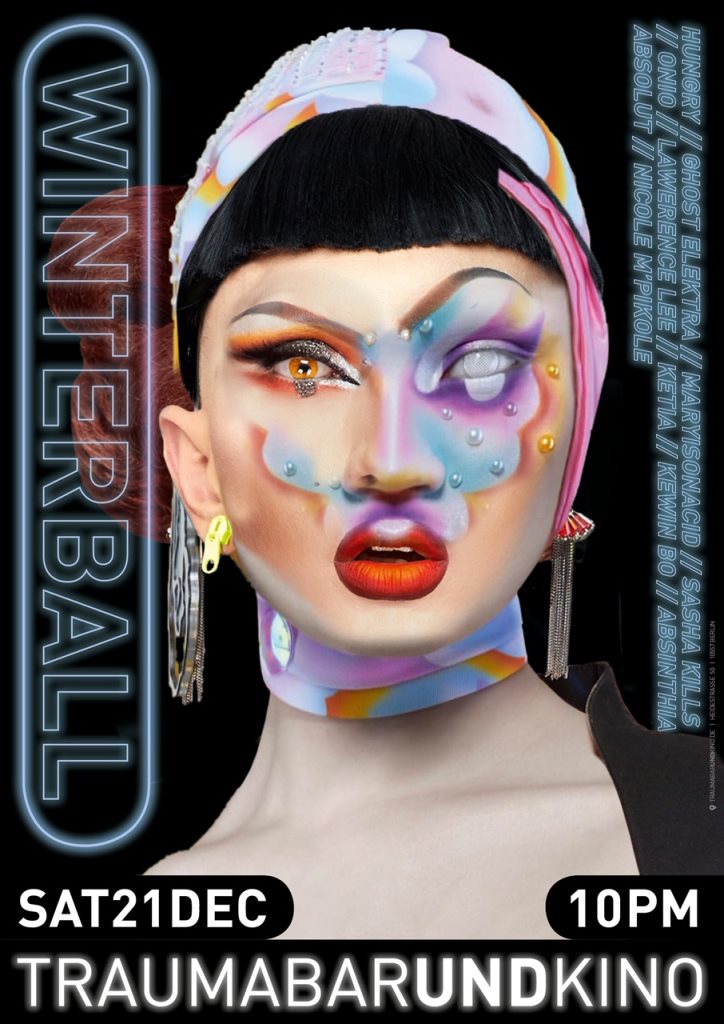
Musical Posters
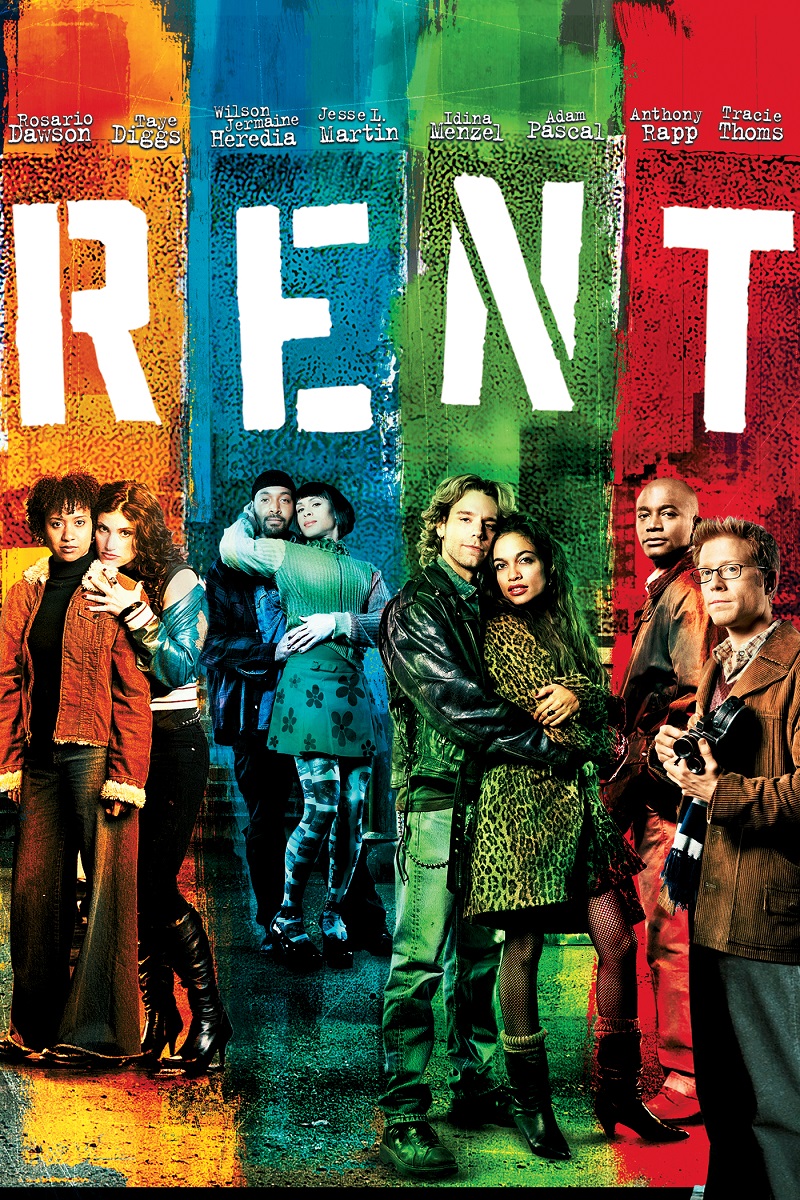
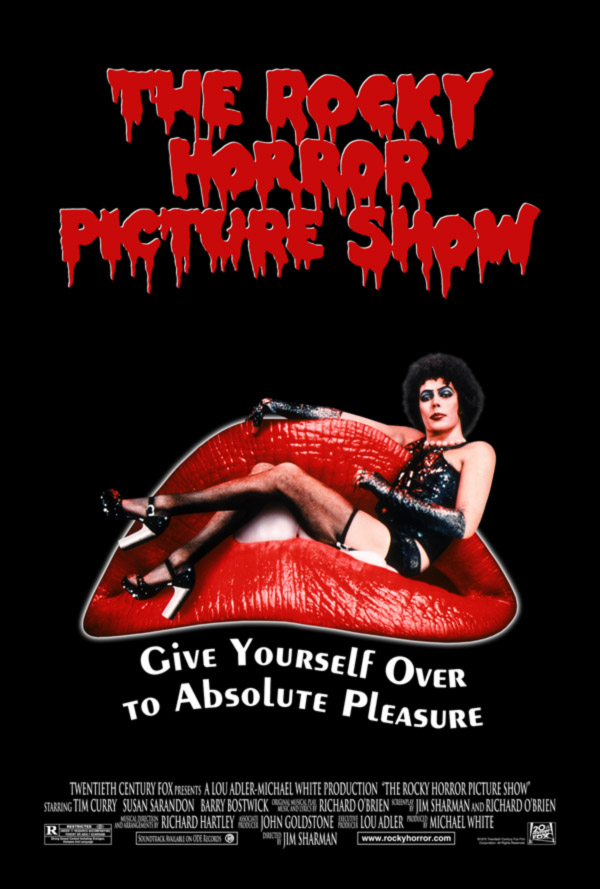
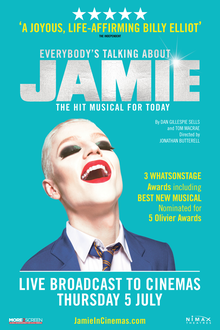
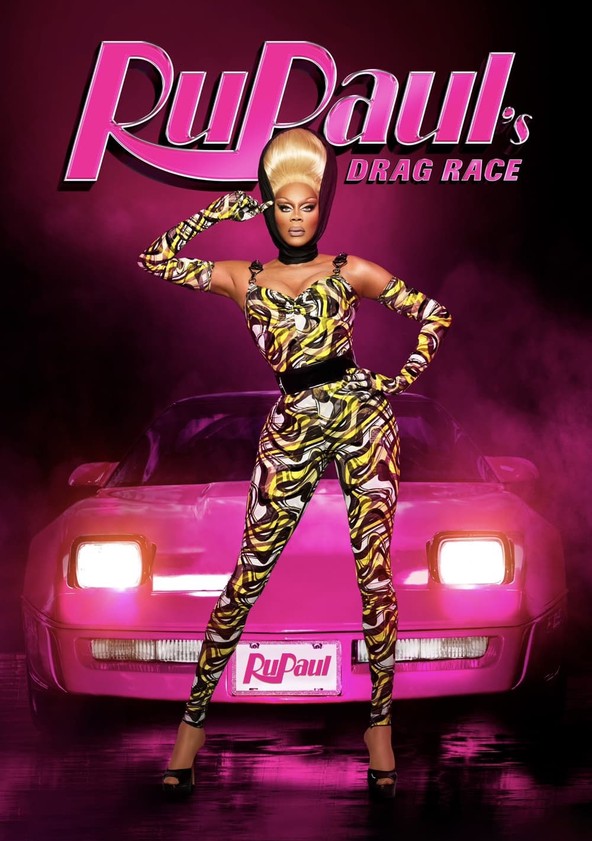
Musical Posters are often characterized by their use of staged, digital photography and a diverse range of styles that aim to communicate a message about the play. They often incorporate photographs of the cast in dramatic poses or scenes from the play to provide a glimpse of what to expect from the performance. The style of the poster can also vary depending on the genre or tone of the play, from bold and dramatic for tragedies to playful and whimsical for comedies. They often have in common that the title of the musical is big on the poster (like in my poster).
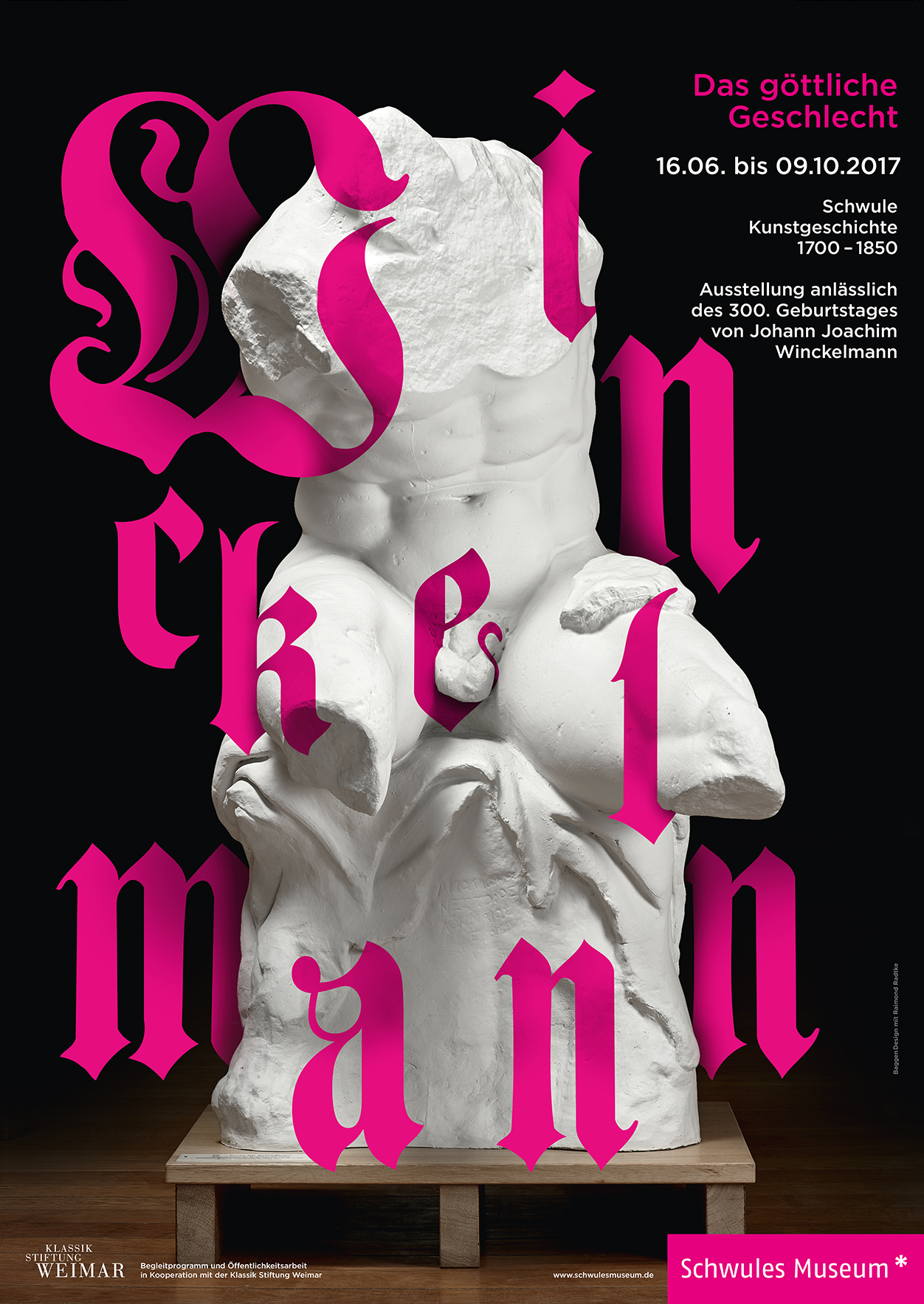
Queer Aesthetic
The Queer Aesthetic can be characterized by bold and colorful designs that are playful and subversive. The style often uses irony and humor to critique mainstream culture's stereotypes and norms.
The color pink is often linked with the Queer Aesthetic, but it's not a universal feature. Pink is sometimes used to reclaim a stereotype about LGBTQIA+ people, as it has historically been associated with femininity and homosexuality.
The Queer Aesthetic is popular in cities like Berlin, where the art scene has a strong queer influence. Many designs feature half-naked people, gender-bending characters, and other subversive symbols to challenge gender and sexuality norms.
6.5 What is the socio-cultural precondition for this?
- For a poster to exist, we need:
- Paper
- Printers
- Color
- A designer
- Computer
- Transportation
- Someone to apply the poster on the street
- A reader or audience
- For an event related to art and culture to exist, we need:
- A society that values art and culture
- Art institutions such as art galleries and theaters
- Demand for the event
- Marketing and promotion
- A functioning society with leisure time for entertainment
- Art appreciation
- A workforce to support leisure time and the arts
6.6 What is the discourse?
Regarding musical/theatre posters
The poster only shows a picture, the title and when the event is happening – it assumes that we know that the picture is telling us something about the play. It doesn't give much more information about what the play is actually about and assumes we can tell by the mood it conveys if we wanna pay money for it or not.
Regarding the queer community
My poster actually doesn't assume that the viewer has some understanding or familiarity with queer culture and iconography, because on the top it literally states: a queer musical (are there even other musicals?!). I feel like they could've just left this out and the target audience would still understand it.
The poster uses imagery or symbols that are well-known within the queer community: it's a pink dress with a stash – dressing like a beauty pageant, but the pose is strong and provocative. This is a classical play with gender roles as often seen in similar posters.
Connecting both worlds
The queer scene and musicals have a strong connection because they both offer a platform for self-expression and the exploration of identities. Musicals often touch on themes of love and acceptance, which resonate with the LGBTQAI+ community. Plus, they're a welcoming space for queer performers.
There's also a shared appreciation for camp, spectacle, and humor in both queer culture and musicals. It's all about celebrating the joy and fun in life!